


How the Medical Industry Uses High-Voltage Technology
Updated: Sep 3, 2025
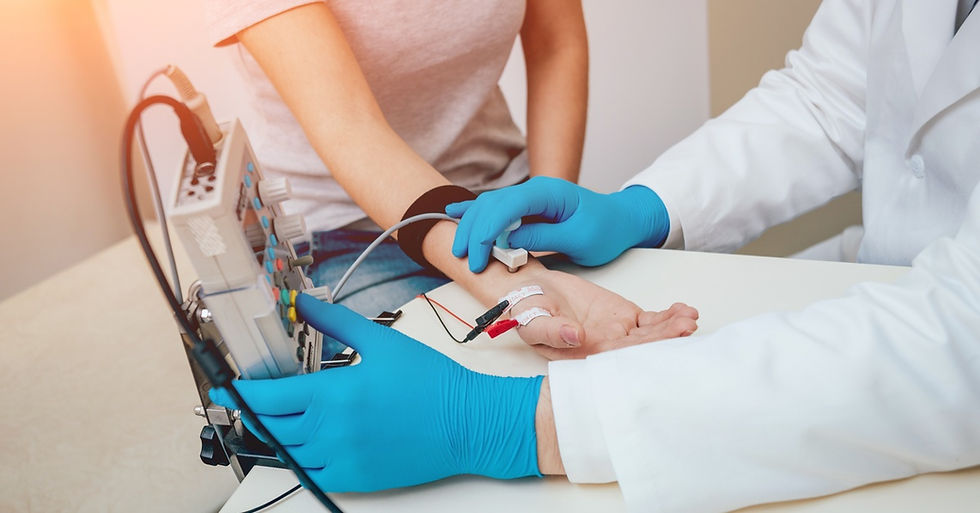
High-voltage technology enables medical facilities to diagnose, treat, and monitor patients with remarkable accuracy. From imaging systems to precision treatment devices, advancements in high-voltage miniaturization are pushing the boundaries of medical innovation to satisfy the needs of patients and discover illnesses, injuries, and other complications efficiently. Find out how the medical industry uses high-voltage technology to reshape patient care.
High-Voltage Technology in Diagnostic Imaging
Diagnostic imaging detects diseases or complications that may be difficult to find during a standard patient exam. To provide sharper image quality, many facilities utilize high-voltage systems for greater efficiency in the process.
The Role of High Voltages in X-Ray Imaging
X-ray systems rely on high-voltage generators to produce the energy needed for imaging. These generators control electron beams that create X-ray photons, which penetrate the body and form detailed images of bones and tissues. To receive a clear image of internal structures, high-voltage systems reduce exposure on the patient’s skin and define any abnormalities in the scan.
Over the years, innovation in miniaturized high-voltage components has resulted in compact and portable X-ray machines. This broadens accessibility in smaller clinics and remote health care setups.
Enhancing Resolution With CT Scans
Computed tomography (CT) scanners also benefit from high-voltage technologies. By creating continuous bursts of powerful X-rays, high-voltage systems support the detailed 3D imaging necessary for diagnosing more complex conditions such as cancer or cardiovascular diseases. Miniaturizing these components makes it easier for hospital facilities to integrate CT systems into their practices and expand their diagnostic capabilities.
High Voltages for Therapeutic Applications

Radiation therapy for cancer and electrophysiological treatments for heart conditions typically use high-voltage systems in their treatments.
Radiation Therapy and High-Voltage Precision
Radiation therapy equipment depends on high-voltage generators to produce the electron beams that target and destroy cancerous tissues. Using precise measurements and tools to deliver accurate doses reduces the risk to surrounding healthy tissues. For instance, high-voltage accessories from HVM Technology can improve the reliability and efficiency of these therapeutic systems to provide consistent results for patients.
Electrophysiology and Cardiac Treatments
High-voltage pulses work well for electrophysiological treatments, such as cardiac defibrillators and pacemakers. These devices regulate heartbeats by delivering bursts of energy to restore rhythm. For convenient implantation and patient mobility, there are miniaturized high-voltage electronics that continue to benefit patients in hospital settings.
Portable Medical Devices Powered by High Voltages
Wearable medical devices give patients the flexibility to move around without worrying about wires or connecting their bodies to standalone machines. High-voltage technologies improve quality of life by offering continuous monitoring and treatment without compromising convenience.
Innovations in Neurostimulators
Neurostimulators are small implantable devices used to treat conditions such as chronic pain, depression, and epilepsy. They rely on miniaturized high-voltage systems to deliver pulses to the nervous system. These pulses interrupt pain signals and improve brain functionality.
With advancements in high-voltage technology, these devices are becoming even smaller and more efficient for patients. This allows people to continue their daily activities with medical professionals monitoring their care safely.
Wearable Defibrillators for Heart Patients
Wearable cardioverter defibrillators (WCDs) are another advancement used by hospital personnel and emergency response teams. These portable devices monitor a patient’s heart rhythm and provide life-saving shocks if needed. These systems are light and unobtrusive, encouraging greater patient compliance.
High Voltages in Laboratory Diagnostics
Aside from hospital settings that offer direct treatment, high-voltage equipment is also vital in laboratory testing and diagnostics. These medical facilities require precision instruments that offer stability and efficient energy sources. With the help of high-voltage technology, lab specialists can receive precise test results faster.
Blood Analysis Systems Using High Voltages
Automated blood analysis machines used to measure glucose and cholesterol rely on high-voltage components to perform accurate and fast tests. Using smaller, more energy-efficient high-voltage platforms has also reduced the size of laboratory equipment to save space and resources. The consistent energy provided by these systems offers results that health care providers can trust.
DNA Sequencing
High-voltage systems power the intricate processes of DNA sequencing, which involves identifying genetic information to determine diagnoses and care. Scientists use high-voltage systems in techniques such as gel electrophoresis to separate DNA fragments. They apply an electric field to a gel matrix, which causes the negatively charged DNA fragments to migrate toward the positive electrode and effectively sort them by size.
These methods provide rapid, accurate, and high-throughput sequencing capabilities. For laboratory specialists, this means faster diagnostics, more detailed genetic insights, and the ability to handle large-scale genomic projects efficiently.
High-Voltage Devices in Patient Monitoring
Patient monitoring is a round-the-clock requirement, especially for those in critical care. In busy hospital settings, it can be difficult to keep a close eye on all patients and monitor their health. High-voltage solutions have made this process more accurate and less invasive so that patients can feel comfortable during their extended stay.
Innovations in ICU Monitoring Devices
Intensive care units (ICUs) depend on advanced patient monitors to track vital signs accurately. From blood pressure monitors to respiratory sensors, high-voltage technologies power life-saving systems that provide real-time data for treatment.
Noninvasive Monitoring Technology
Noninvasive medical monitors, such as those measuring oxygen saturation or glucose levels, also rely on compact high-voltage components. The devices can detect subtle physiological changes, especially in noninvasive monitoring where signals can be weak or prone to interference. Continued innovation allows devices to be more effective, portable, and easier for patients to wear or use at home.
Technologies Supporting Sterile Environments

Professionals across the medical industry use high-voltage technology to sterilize their equipment.
Plasma-Based Sterilization Systems
Plasma-based sterilizers use high-voltage energy to generate plasma fields that eliminate pathogens as effectively as traditional autoclaves. Unlike their heat-based counterparts, plasma sterilizers broaden their utility with temperature-sensitive instruments. Medical professionals can rely on high-voltage technology to remove any contaminants on the surface of a broad range of tools.
Advancements in UV Light Systems
High-powered UV light systems, driven by high-voltage components, disinfect surfaces quickly and effectively in operating rooms and patient care areas. Advances in miniaturized high-voltage technology also occupy less space, so these systems can operate efficiently in smaller areas.
High-voltage technology continues to shape the future of health care as these innovations drive precision, portability, and efficiency to empower health care professionals and transform patient outcomes. To learn more about the benefits of high-voltage technology or to revamp the equipment in your medical facility, explore what HVM Technology has to offer today.


Comments